Nicotine withdrawal is a collection of physical, emotional, and mental symptoms that occur after you stop using tobacco products.2 These symptoms of smoking withdrawal are a natural part of the quitting process. While quitting smoking has long-term health benefits, nicotine withdrawal symptoms can make the first few days and weeks difficult.1,2
Understanding the withdrawal timeline and how to manage symptoms can help you quit smoking successfully and stay tobacco-free.
Key Takeaways
- Nicotine withdrawal is a natural but challenging part of quitting smoking.
It causes physical, emotional, and mental symptoms that vary in intensity depending on the individual and their smoking habits.2 - Symptoms of smoking withdrawal can begin within hours of your last cigarette.
These nicotine withdrawal symptoms typically peak after two to three days and gradually ease over the next few weeks.6 - Tools like NRTs from Nicorette can help manage withdrawal symptoms.
Nicotine replacement therapy provides controlled doses of nicotine to ease cravings and increase your chances of quitting successfully.2
What Makes Smoking Addictive?
Nicotine in cigarettes and other tobacco products is a highly addictive substance. This chemical dependency causes nicotine withdrawal symptoms when you try to quit, can include cravings, anxiety, and irritability.1
When you smoke or use tobacco products that contain nicotine, your brain and body become used to the drug thanks to a chemical reaction in your brain that produces excess dopamine.2 When you quit smoking or cut back on your usage, the lack of nicotine in your body causes less dopamine to be released in your brain, triggering the symptoms of smoking withdrawal that may be difficult to manage and can make you want to smoke again.2
Why Does Smoking Withdrawal Happen?
When you smoke, your body rapidly absorbs nicotine through your small airways and lungs, and in just about 10 seconds, the nicotine reaches your brain.3 There, it hits the pleasure and reward center of your brain, causing a release of neurotransmitters, or chemicals, including dopamine.4 The more you smoke, the more your body craves the release of dopamine from nicotine—and the more nicotine it needs to feel good. Once smoking becomes a regular habit, your body gets used to these higher levels of dopamine and can become dependent on nicotine to provide it.4 When you quit smoking, your body must suddenly adjust to the lack of nicotine.4
What Are Smoking Withdrawal Symptoms?
There are a range of potential nicotine withdrawal symptoms; each person may experience them differently. The severity of your symptoms may depend on how frequently you smoked and how much nicotine was in the products you used.2
Nicotine withdrawal symptoms will typically begin a few hours after your last dose of nicotine, whether it was a cigarette, a vape pen or smokeless tobacco.2 They may be most intense a few days afterward and may last for up to several weeks.2 However, any symptoms that you experience should get better day by day, especially after their peak on the third day after quitting. Thankfully, the health benefits of quitting smoking should outweigh any negative symptoms.2
Symptoms of Smoking Withdrawal: Physical
Physical smoking withdrawal symptoms may present themselves because the balance of chemical messengers in your brain has been thrown off. Addiction frequently manifests itself as a physical craving, and this may occur long after your body is no longer addicted to nicotine.1 Some of these physical symptoms may include:1,2,5
- Urges to smoke
- Headaches
- Increased appetite
- Weight gain
- Constipation, gas or diarrhea
- Cough, dry mouth, sore throat and nasal drip
- Chest tightness
- Insomnia
- Feeling restless
Symptoms of Smoking Withdrawal: Emotional and Mental
The lack of nicotine in your system may manifest in a range of emotional and mental symptoms. You may have known others who have quit smoking and were incredibly grouchy for about two weeks; this symptom was not unique to those individuals! In fact, irritability is an extremely common emotional symptom of smoking withdrawal.5 Some others include:1,2,5
- Feeling tired, restless or bored
- Anxiety
- Depression
- Difficulty concentrating
- Feeling irritated
Timeline of Nicotine Withdrawal Symptoms
Most smoking withdrawal symptoms will peak during the second or third day after you quit but understanding a timeline for nicotine withdrawal can help you understand what’s happening in your body and help you stay firm in your desire to quit.6 If you’ve smoked your last cigarette, here’s what you can expect to experience within:6
- 4 hours. Your body is craving another cigarette and you’re probably feeling antsy. The nicotine in your body has dropped by 90%.
- 10 hours. Your blood sugar levels are lower than they usually are at this point, and you may be feeling unusually hungry. Your circulation is returning to normal, and it may cause your hands and feet to feel tingly.
- 24 hours. The first full day after you stop smoking may be rough. You will likely have the urge to reach for a tobacco product as soon as you wake up. Your body will be craving nicotine, but it’s important to stay strong in your resolve to quit. Irritability and anxiety are common.
- 48 hours. As your brain starts to become accustomed to the lack of nicotine, you may even experience symptoms like depression, headaches and constant cravings.
- 72 hours. After about a week, cravings should have subsided, and each individual craving shouldn’t last much longer than 5 minutes. Some heavy smokers will experience a sore throat with heavy coughing; this is because your body is attempting to get rid of the tar accrued during your time as a smoker. You may also feel some tightness in your chest, which can be attributed to coughing.
- 7-21 days. You may still experience some cravings in the three weeks following your quit, but they should be manageable by this point. You’ll also notice that your appetite has increased but that you seem to have less energy than you used to. This is due to your metabolism normalizing and your blood pressure dropping
How to Manage Smoking Withdrawal Symptoms
It’s important to remember that these smoking withdrawal symptoms are only temporary. Being prepared for these symptoms and creating a plan before you quit can help you be a step ahead when some of the negativity sets in. For instance, having a plan for when cravings hit or practicing breathing exercises for when you feel anxious or frustrated may help you make it through some of the tougher moments without reaching for a cigarette.2
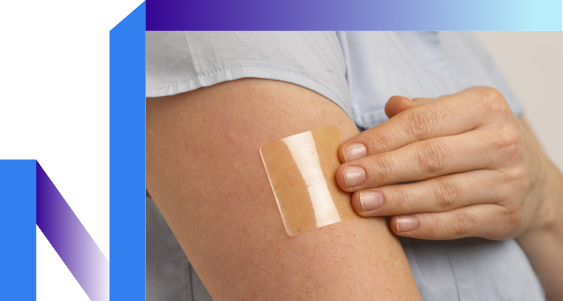
If you are nervous to quit cold turkey or have tried before and not been successful, you might consider using a smoking cessation aid like Nicorette to help with the nicotine withdrawal symptoms. Nicotine replacement therapy (NRT) products, such as Nicorette gum, lozenges or patches, allows your body to continue receiving nicotine in therapeutic doses to gradually wean your body off the chemical. It is an effective way to help manage cravings and lessen the intensity of unpleasant withdrawal symptoms, giving you an even better shot of sticking to your quit.
Understanding the symptoms of smoking withdrawal is crucial for a successful quit journey. Utilizing Nicorette products, such as Nicorette gum or the Nicorette lozenge, can provide effective relief from nicotine withdrawal symptoms, supporting you every step of the way.
FAQs About Nicotine Withdrawal Symptoms
How long do nicotine withdrawal symptoms last?
Nicotine withdrawal symptoms typically peak within 2–3 days of quitting and gradually subside over 2–4 weeks. Some symptoms may linger depending on your smoking history and support strategy.
What helps with symptoms of smoking withdrawal?
Using nicotine replacement therapy (NRT) products like Nicorette gum or the Nicorette lozenge can ease cravings and other symptoms, making it easier to quit smoking.